


The actor opens up about playing Tom Wambsgans, his on-set dynamic with Nicholas Braun, and the charm of Succession’s razor-sharp scripts.

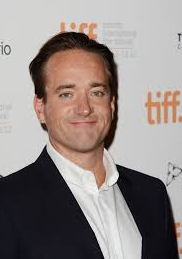
With the highly anticipated return of Succession for its third season, Matthew Macfadyen, who plays the delightfully loathsome Tom Wambsgans, shares insights into his role, his chemistry with co-star Nicholas Braun (Greg), and his love for the series’ scripts.

Taking tea in a London hotel, Macfadyen is a far cry from the calculating, status-obsessed Tom. Warm, self-deprecating, and quick to laugh, the 46-year-old actor describes the public’s reaction to his Succession character with amusement: “I’ll be in a tiny square somewhere, and people shout, ‘Tom! Tom!’ It’s wonderful because they’re not interested in me; they’re just obsessed with the show.”

The drama, centred on the Roy family’s corporate and personal power struggles, has captivated audiences. And among its memorable dynamics is the love-hate “bromance” between Tom and Greg, played by Nicholas Braun. “It feels like the main love story of the show,” Macfadyen quips.

Tom: A Character Fans Love to Hate
Despite Tom’s cringe-worthy ambition and selfish streak, Macfadyen’s nuanced portrayal keeps him oddly likeable. “He’s vain and petty, but he’s also funny and not completely unsympathetic,” he says. “He tries his best, loves Shiv and Greg, but it’s complicated. And he’s scared a lot of the time.”

Macfadyen finds joy in playing Tom, so much so that memorising lines is effortless. “I read the scripts and think, ‘I can’t wait to say this.’ The writing is brilliant — Tom’s lines are like magic therapy because they’re so far removed from me.”

On-Set Chemistry with Greg
The offbeat pairing of Tom and Greg is a fan favourite, and the actors behind them share a genuine camaraderie. Macfadyen and Braun often struggle to keep a straight face during filming. “Nick is gorgeous, a lovely man. But sometimes we have to take five minutes apart because we’re laughing too much.”

Braun echoes the sentiment, describing Macfadyen as “a solid actor and an incredibly supportive, sensitive person. And he’s funny as hell.”

Life Beyond Tom
Known for roles like Mr Darcy in Pride & Prejudice (2005) and British dramas like Spooks and Howards End, Macfadyen remains modest about his career. Despite an Emmy nomination for Succession, he calls it “fluff — nice, but not tangible.”

While he thrives on portraying Tom, Macfadyen admits he disconnects from work between seasons. “When I’m not filming, I feel like a gun for hire, just waiting in the wilderness.”

As season three picks up right where season two left off, Macfadyen teases fans about Tom and Greg’s fate: “Nick and I are as curious as everyone else. We don’t know where the writers will take it, but it’ll be great fun to find out.”

With the return of Succession, audiences can expect more power plays, razor-sharp dialogue, and plenty of awkward hilarity from Tom and Greg.
With 27 states retaining the death penalty, inconsistencies in its application spark renewed calls for reform.

The death penalty remains a contentious issue across the United States, with 27 states, including Texas, Florida, and California, continuing its use. Yet, the stark inconsistencies in its application have fuelled criticism and demands for reform.

Missouri recently carried out the nation’s latest execution, putting Ernest Lee Johnson to death despite objections from groups citing his intellectual disabilities. Such cases highlight the uneven nature of capital punishment, which varies widely between states. While lethal injection is the most common method, alternatives like electrocution, gas chambers, and even firing squads are still legal in some states, including South Carolina, where inmates must choose between the electric chair or firing squad if lethal injection drugs are unavailable.

Texas leads in executions, having carried out 573 since 1976, far outpacing other states. In contrast, states like Virginia (with 113 executions) and Oklahoma (112) follow at a distance. Federal executions also vary significantly, often influenced by political leadership. Under the Trump administration, federal executions surged, with 13 inmates put to death in 2020 after a 17-year hiatus.

Federal Death Penalty and Moratorium
In July, Attorney General Merrick Garland announced a moratorium on federal executions, citing concerns over fairness and the death penalty’s disparate impact on minorities. Garland emphasised the importance of ensuring the justice system treats individuals humanely and equitably, particularly in capital cases. This decision leaves the fate of 45 federal death row inmates uncertain while the Justice Department reviews its policies.

Changing Attitudes and Calls for Reform
Momentum for change is building in some states. Utah’s legislature is considering replacing the death penalty with life sentences, with Governor Spencer Cox voicing openness to the idea. Ohio Governor Mike DeWine has delayed scheduled executions, citing difficulties in obtaining lethal injection drugs, while a bill to abolish the death penalty is under discussion.

Critics argue that the death penalty is racially biased, costly, and prone to errors, with numerous exonerations of wrongfully convicted individuals adding weight to these claims. Organisations like the Responsible Business Initiative for Justice (RBIJ) have joined forces with The Independent to advocate for abolition. The campaign has attracted prominent business leaders, including Sir Richard Branson and Sheryl Sandberg, in calling for an end to what they deem an outdated and unjust practice.

As attitudes shift and legislative efforts gain traction, the future of capital punishment in the United States remains uncertain. For now, however, its application continues to reflect deep divides in the nation’s legal and moral landscape.

Celebrate the season with vibrant flowers, trendy dried arrangements, and lush house plants.

As the nights grow longer and the air turns crisp, it’s the perfect time to bring warmth and beauty into your home. Bloom & Wild’s autumn collection is here to help you embrace the season, whether you’re revelling in cosy vibes or seeking a cheerful escape from the darker days.

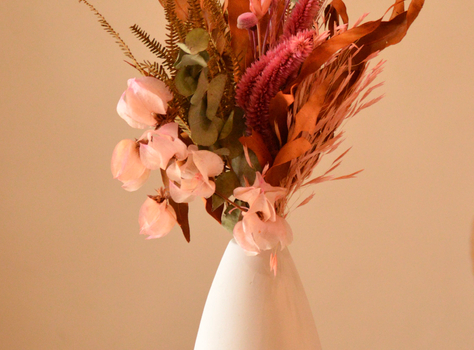
The online florist has unveiled a stunning selection of fresh flowers, dried arrangements, and house plants designed to infuse homes with seasonal charm. Picture rich hues of orange, red, and terracotta, combined with deep foliage and delicate seed heads, creating a palette that echoes the beauty of autumnal landscapes.

Seasonal Showstoppers
Bloom & Wild’s signature letterbox bouquets are a standout feature of the collection. Conveniently packaged to fit through your postbox, they bring joy without the hassle of a delivery signature. Highlights include:

The Orla (£34): A 19-stem arrangement featuring roses, snapdragons, and hypericum berries in vibrant autumn tones.
The Autumn Foliage (£28): A Scandi-inspired mix of eucalyptus, poppy seed heads, and kangaroo paw.
Dried Flowers: Beauty That Lasts
For those who prefer long-lasting arrangements, Bloom & Wild’s dried flower collection offers Instagram-worthy options. Perfect for gifting or home décor, these bouquets maintain their elegance well beyond the season.

The Jo Hand-Tied (£42): Featuring fluffy textures like gypsophilia and sea lavender.
The Hazel (£35): A cosy bouquet with chrysanthemums, fountain grass, and roses in warm, toasty tones.
House Plants to Green Your Space
Autumn doesn’t mean giving up on greenery. With XL cacti, calathea, and dragon trees, Bloom & Wild’s plant range encourages you to bring the outdoors in.

The Cowboy Cactus (£50): Perfect for sunny corners and minimal maintenance.
The Dragon Tree (£70): A striking 80cm-tall air purifier in a stylish jute pot.
Autumnal Gifting Made Easy
Looking for the ideal birthday or “just because” gift? Bloom & Wild’s quick delivery options and thoughtful extras, like personalised gift messages, make it effortless to spread seasonal cheer.

Explore the full collection on Bloom & Wild’s website and use the code ESI15 for 15% off your order.

T&Cs: Max 3 uses per customer. Offer not valid with other discounts. Expires 30/11/21.

Explore unique events and tantalising concoctions across the city this month.

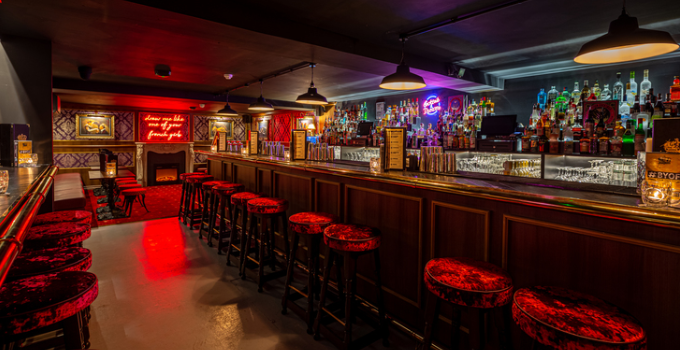
Raise your glasses this October as London transforms into a cocktail lover’s paradise. From inventive masterclasses to indulgent pairings, this month-long celebration promises something for everyone.

London Cocktail Week has extended its festivities to cover the entire month in 2021. Participating venues across the capital are serving exclusive £7 cocktails, available with a London Cocktail Month wristband. The city also offers a variety of exciting events, from food pairings to interactive experiences.

Here are some highlights:

The Essence House
Seeking the ultimate bespoke drink? Dive into the science of mixology through aroma and taste experiments. Guests will enjoy a personalised cocktail crafted to suit their palate, learning about the effects of effervescence, temperature, and garnishes along the way.

The London Cocktail Trail
For adventurous enthusiasts, this trail covers nine custom cocktails across venues from Bethnal Green to Clapham. Collect stamps at each stop, and when you complete the journey, earn a £50 bar tab for the London Cocktail Club.

Various locations, until Oct 31

Taco Tuesdays at Satan’s Whiskers
Love tacos? Pair a Patrón margarita with free tacos at this east London spot. It’s a delicious excuse to enjoy cocktails without drinking on an empty stomach.

Free entry, Satan’s Whiskers, 343 Cambridge Heath Road, E2, every Tuesday

The World’s Most Rubbish Bar
Eco-conscious drinking takes the stage here. This bar serves cocktails crafted from ingredients like banana peels and grape skins, highlighting zero-waste practices. All profits support The Felix Project, an anti-waste charity.

Whisky Pub Quiz at Black Rock Tavern
Show off your knowledge of whisky flavours, music, and culture at this spirited pub quiz. Teams of up to six compete for bragging rights and a taste of four unique whiskies.

£10 (including drinks), Black Rock Tavern, 9 Christopher Street, EC2, Oct 7

Lush Life Book Club
Immerse yourself in cocktail lore at this weekly gathering. Hosted by Susan Schwartz and guest authors, the event features a complimentary cocktail and a signature drink inspired by the evening’s discussion.

Free entry, Oriole, East Poultry Avenue, EC1, Oct 13, 19, 26

Whether you’re sipping an eco-friendly creation or exploring the cocktail trail, this month promises unforgettable flavours and experiences. Don’t miss out!

Rising costs, shipping delays, and labour shortages threaten Christmas sales.

As the holiday season approaches, toy manufacturers face unprecedented challenges in getting their products onto shelves. Delays, soaring shipping costs, and a strained labour force are testing the resilience of the $33 billion U.S. toy industry.

With Christmas just months away, Basic Fun made a tough call: leave a third of its Tonka Mighty Dump Trucks in China. Shipping costs for the iconic toy have skyrocketed, now consuming 40% of its retail price of $26—far more than the 7% it represented last year. CEO Jay Foreman admits this drastic measure was necessary.

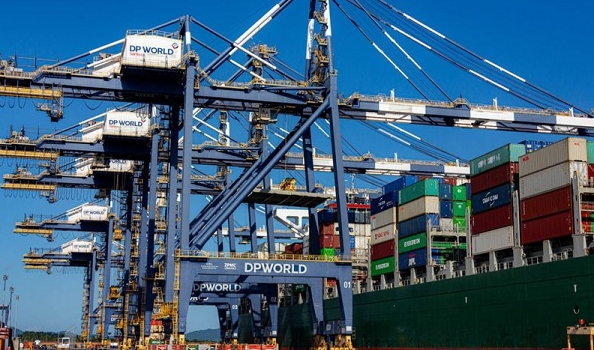
Toy companies are battling severe supply chain issues, from container shortages to port bottlenecks. To meet demand, some firms are flying toys instead of shipping them, while others have scaled back on larger items in favour of more compact, profitable products. For instance, Basic Fun prioritised smaller, high-value toys like Mash’ems over bulkier Tonka trucks to optimise shipping costs.

The global supply chain disruptions trace back to pandemic-related factory closures and heightened demand as lockdowns eased. The situation has worsened this year, with key U.S. ports like Long Beach struggling to unload goods due to labour shortages. Shipments that once took six weeks now require up to 16, forcing retailers to refuse late deliveries.

Holiday sales are crucial for the toy industry, accounting for 70% of annual revenue. Yet, many companies fear lost sales due to delayed or unavailable stock. Despite a 17% increase in sales last year and a 40% rise in the first half of 2021, analysts predict some manufacturers will struggle to meet demand for popular items.

Retail giants like Walmart and Target, with greater resources, are chartering their own ships to ensure shelves are stocked. Smaller businesses, however, report receiving just a fraction of their usual inventory. Learning Express Toys in Alabama, for example, had only 25% of its holiday stock by mid-September.

Manufacturers have also had to rethink production and advertising strategies. Labour shortages are pushing companies like American Plastic Toys to shift focus from complex playsets to simpler products requiring fewer workers. Meanwhile, others, such as PlayMonster, have cut back on marketing, with President Tim Kilpin explaining, “We’d be advertising to empty shelves.”

The supply chain crisis may have long-term effects. Retailers are pressuring manufacturers to ship 2022 holiday goods earlier, forcing companies to make stock decisions without complete sales data.

Even domestic manufacturers face challenges. John Gessert, CEO of American Plastic Toys, notes that a 35-40% workforce shortage has limited production capabilities. “This is the most complex puzzle I’ve ever had to solve,” he says.

The stakes are high for an industry heavily reliant on holiday sales. As Christmas approaches, toy makers are racing against time to minimise disruptions and bring joy to children worldwide.

Exploring the hidden emissions behind what we eat and the efforts to reduce them.

How much carbon comes with your meals? From breakfast to dinner, every plate carries an environmental cost. Hafsa Khalil delves into the unseen carbon emissions in our food choices and the initiatives aiming to shed light on this issue.

Making eco-friendly choices in areas like recycling or transport feels straightforward, but food decisions – a necessity for survival – present a tougher challenge. With the rise in extreme weather events, there’s a renewed push to achieve the UK’s goal of reducing greenhouse gas (GHG) emissions by over two-thirds by 2030.

Food journalist Thin Lei Win highlights that our dietary choices, made several times a day, are pivotal in the fight against climate change. Different foods have varying carbon footprints, with some being much larger culprits than others.

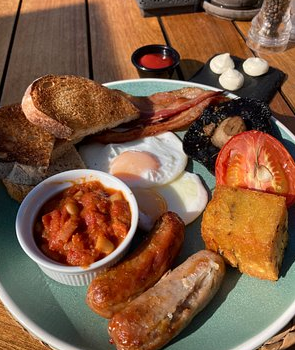
Take breakfast: Eggs, producing 43 kg of GHG annually, are eco-friendlier than sausages, while bread emits a modest 4 kg. Dairy milk, a breakfast staple, generates a hefty 49 kg, compared to almond milk’s 10 kg.

At dinner, red meats like lamb (339 kg) and beef (604 kg) are major emitters, whereas beans emit just 7 kg, making them a sustainable protein alternative. Even fish, though a healthier choice, contributes 146 kg annually in emissions.

To tackle this, companies like Foodsteps are pioneering carbon labelling for food items. Founded by Anya Doherty during her postgraduate research at Cambridge, Foodsteps helps consumers understand the carbon cost of their meals. Successful trials, such as those at University College London, have shown that transparency leads to impactful choices.

However, Thin Lei Win emphasises that systemic change from food companies is equally crucial. Studies reveal that food systems contribute over a third of global GHG emissions, with animal-based foods emitting twice as much as plant-based alternatives.

In regions with limited dietary options, meat often remains essential, but in areas like the UK, nutritional substitutes abound. Vegetarian Sarka Seborova notes that transitioning to a plant-based diet becomes second nature over time.

For those unwilling to forgo meat entirely, reducing consumption and avoiding food waste are key. “It’s about starting small,” Lei Win advises. For example, stretching bacon for multiple meals can significantly lower one’s footprint.

This nuanced approach – balancing nutrition and sustainability – is vital as discussions on food and climate continue to evolve.

Over 120,000 gallons of oil leaked into the Pacific, causing an ecological crisis

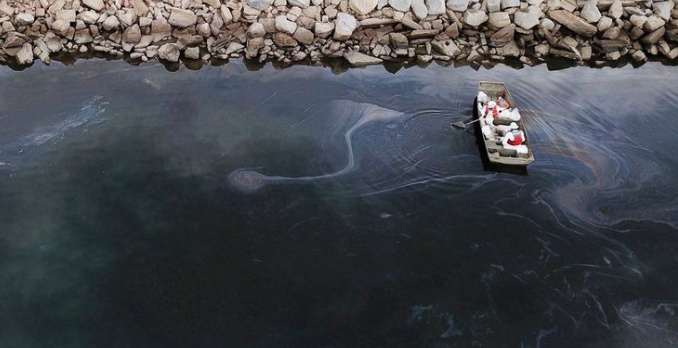
An oil pipeline operated by Beta Offshore, a subsidiary of Amplify Energy, released more than 120,000 gallons of crude oil into the Pacific Ocean near Huntington Beach, California. This incident, one of the largest spills in the state’s history, was reported on 2 October, roughly five miles offshore.

The spill, described as an “environmental catastrophe” by Mayor Kim Carr, has severely impacted marine life and coastal habitats. Cleanup crews have removed approximately 3,150 gallons of oil and deployed over 5,000 feet of containment booms along the affected coastline. Meanwhile, federal, state, and local authorities continue investigating the source of the leak along a 17-mile pipeline.

Wildlife has suffered significantly, with reports of dead fish and oiled birds washing ashore. The spill has infiltrated sensitive ecosystems, including Huntington Beach’s Talbert Marsh. Restoration efforts could take months or even years.

Authorities have closed beaches and fisheries in the impacted areas, urging residents to avoid recreational activities along the coast. Similar spills have occurred in the past, including the devastating 1990 American Trader spill and the 1969 Santa Barbara disaster.

Efforts to contain the spill and assess its long-term consequences continue as environmental groups and lawmakers advocate for stricter offshore drilling regulations.

Rearranged English Text with British Spellings:
What prompted the Californian environmental crisis as wildlife is affected along the coastline?
A rupture caused over 120,000 gallons of crude oil to spill into the Pacific Ocean, igniting a potential “ecological disaster”.

Offshore near Huntington Beach, California, an oil pipeline operated by Beta Offshore leaked more than 120,000 gallons of crude, marking one of the most severe oil spills in the state’s history. The leak, discovered on 2 October, has since ceased. Emergency responders are investigating the 17-mile-long pipeline for damage while deploying measures to prevent further oil intrusion.

Huntington Beach officials identified an oil slick spanning six miles, removing 3,150 gallons of oil by Monday. Barriers exceeding 5,300 feet were placed to mitigate damage, according to the US Coast Guard.

Authorities report ongoing investigations into the pipeline operated by Amplify Energy. Conservationists warn that the spill’s true environmental cost may take weeks or months to evaluate, highlighting the severe threat posed to sensitive ecosystems and wildlife.

From her go-to eyeliner to her top tech gadgets, here’s what the star can’t live without

Maya Jama is a household name, known for her dynamic presence as a presenter, DJ, and beauty brand owner. If you follow her career, you’re probably familiar with her infectious personality, which has earned her roles on major TV shows, red carpet events, and social media platforms. But what about the products Maya relies on to keep her life running smoothly? Whether she’s hosting a radio show, working on TV projects, or simply enjoying her downtime, the star has a selection of essentials she swears by.

Her media career kicked off at Rinse FM before she moved to BBC Radio 1 in 2018, where she co-presented alongside Scott Mills and Chris Stark. Maya later ventured into TV, landing roles on popular shows like Cannonball (ITV), The Circle (Channel 4), and Peter Crouch: Save Our Summer (BBC One). Most recently, Simon Cowell enlisted her to join the panel for his new music game show Walk The Line.

Beyond her professional achievements, Maya uses her platform to raise awareness for important social issues, such as mental health and domestic abuse. She is a passionate ambassador for Savera UK, a charity supporting survivors of honour-based violence, and has worked with The Felix Project, which aims to tackle food poverty in London.

Fans adore her for her candidness on social media, where she shares everything from fun moments with her Uber driver to her decision to stop using Instagram filters. In 2020, Maya launched her own beauty brand, MIJ, focusing on high-performance skincare for people on the go. The initial launch sold out in just 24 hours, and since then, the brand has grown, with more products on the horizon.

Given her status as a trendsetter and influencer, it’s no surprise that people are curious about Maya’s favourite products. We caught up with her to learn more about her must-have items, from beauty essentials to tech gadgets. Here are some of the items Maya simply can’t live without:

Her Holy Grail Eyeliner: Maya’s go-to for a perfect, long-lasting look
Portable Speaker: Ideal for playing music on the move
Skincare Favourites: Must-haves from her own MIJ range
Fitness Essentials: The items she relies on for staying active
If you’ve ever wondered what a celebrity keeps in their bag, Maya Jama’s list of game-changing products might just offer some new additions to your own must-have collection.

Discover the Best Gadgets to Improve Skin Health with Light Therapy

The skincare industry continues to evolve, with LED face masks leading the way in innovative treatments for at-home use. These high-tech devices, incorporating advanced technologies like near-infrared and acne-targeting blue light, have become increasingly popular due to their impressive benefits for the skin. While many of us have established solid daily skincare routines with essentials like SPF, moisturisers, and cleansers, LED masks offer a cutting-edge option for those looking to go beyond the basics.

Although these masks may not be “must-haves” for everyone, they’re widely regarded for delivering noticeable improvements in skin health. According to Dr Nyla, a renowned skin specialist and founder of Dr Nyla Medispa Clinics, LED face masks can significantly brighten the skin, reduce fine lines, lighten dark spots, combat acne, improve skin elasticity, and even control oil production.

LED masks use different wavelengths of light, each offering specific benefits. These masks can be used between three to five times a week for around 20 minutes per session, though it’s essential to follow the manufacturer’s instructions for optimal results. Red light is commonly used for anti-ageing purposes, promoting collagen production and boosting skin elasticity. On the other hand, blue light targets excess oil and acne-causing bacteria. Other colours, like yellow and purple, help with reducing redness and calming inflammation.

Given their effectiveness, these masks don’t come cheap, so it’s important to choose wisely. To help you make an informed decision, we’ve tested a selection of the best LED face masks available on the market. Our expert tester evaluated ease of use, comfort, range of settings, and results over a period of three months. Below are the top-rated LED masks for 2024:

Best Overall: CurrentBody Skin LED Light Therapy Face Mask – £299 (Amazon.co.uk)
Best Budget Option: Sensse Professional LED Face Mask – £139.99 (Lookfantastic.com)
Best Doctor-Backed Choice: MZ Skin LED 2.0 Lightmax Supercharged Mask – £750 (Lookfantastic.com)
Best for Fine Lines and Wrinkles: Rio FaceLite Beauty Boosting LED Mask – £251.99 (Lookfantastic.com)
Best High-Tech Option: FAQ 202 Silicone Mask – £605.10 (Amazon.co.uk)

With these options, you’re sure to find the perfect LED face mask to elevate your skincare routine and give your skin the care it deserves.

From viral meme to luxury restaurant empire, the story of Salt Bae’s global fame and controversial prices

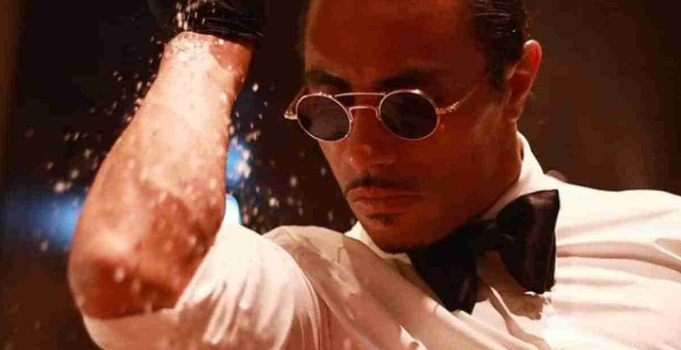
Nusret Gökçe, known worldwide as Salt Bae, has transformed from a Turkish butcher into one of the most recognisable figures in the culinary world, thanks to an unexpected viral moment in 2017. When Bruno Mars tweeted a screen grab of Gökçe’s now-iconic salt-sprinkling video with the caption “Annnddd I’m out”, it sparked a meme that would make Gökçe a global sensation. His charismatic pose—salt falling from his hand like a cascade—captured the internet’s attention, turning him into a larger-than-life figure with a cult following. Since then, Gökçe, who goes by the moniker Salt Bae, has amassed over 39 million Instagram followers and opened 14 restaurants worldwide, with the latest one making waves in London.

Salt Bae’s London restaurant, just steps from Knightsbridge station, has become a magnet for celebrities and affluent patrons. Diners have flocked to the establishment, often sharing their extravagant bills online. A recent £1,812 receipt shocked the internet, though it was for a group of eight. The menu, which includes a £630 tomahawk steak and £790 gold-coated meat, has been dubbed eye-wateringly expensive, with sides such as a £44 salad and £236.40 service charge. For a burger priced at £100 and drinks like £9 Cokes, the restaurant’s lavish offerings reflect the opulence that has become synonymous with Salt Bae’s brand.

The extravagant pricing is in line with Gökçe’s impressive wealth. In 2019, he acquired the luxurious Macka Palas hotel in Istanbul for €50 million, and his fortune is reportedly valued at £38 million. However, his rise to prominence didn’t come easily. Born in 1983 in the Turkish city of Erzurum, Gökçe grew up in a modest family with a father who worked as a mineworker. Dropping out of school at 13, he moved to Istanbul to apprentice as a butcher, eventually honing his skills across South America and the United States. After years of hard work, he returned to Istanbul in 2010 to open his first restaurant, Nusr-et, a name that cleverly combines “et” (meaning “meat” in Turkish) with his own brand.

Nusr-et restaurants quickly became popular in Turkey, attracting both locals and international visitors eager to sample Gökçe’s flamboyant style of serving meat. The true turning point came in 2017 when Bruno Mars’ tweet pushed Gökçe into viral stardom. Rather than shy away from the meme, Gökçe embraced it fully, capitalising on the persona that was quickly evolving into a global brand. Known for his muscular build, cigar-smoking image, and confident presence, Salt Bae became an internet icon—a symbol of extravagant luxury and theatrical culinary performance.

As his fame grew, so did his circle of high-profile fans. From celebrities like David Beckham, Leonardo DiCaprio, and Rihanna, to public figures such as Andrea Bocelli and football manager Roberto Mancini, Salt Bae has cultivated a vast and glamorous following. His restaurants in cities like Dubai, Mykonos, and Beverly Hills are known for their star-studded clientele, and his social media posts reveal glimpses of his opulent lifestyle. In one memorable moment, Salt Bae famously fed a piece of meat to UFC fighter Conor McGregor, a display that showcased his penchant for blending sensuality and spectacle.

While Gökçe’s rise from humble beginnings to restaurant mogul is impressive, it has not been without controversy. His prices and larger-than-life persona have led to criticism, with some questioning whether his lavish offerings are a symbol of genuine culinary artistry or just a carefully constructed marketing strategy. Nonetheless, Gökçe has become a symbol of modern celebrity culture, blurring the lines between chef, entertainer, and internet sensation. Whether admired or ridiculed, the story of Salt Bae is a testament to the power of memes, branding, and the ever-expanding world of luxury dining.